
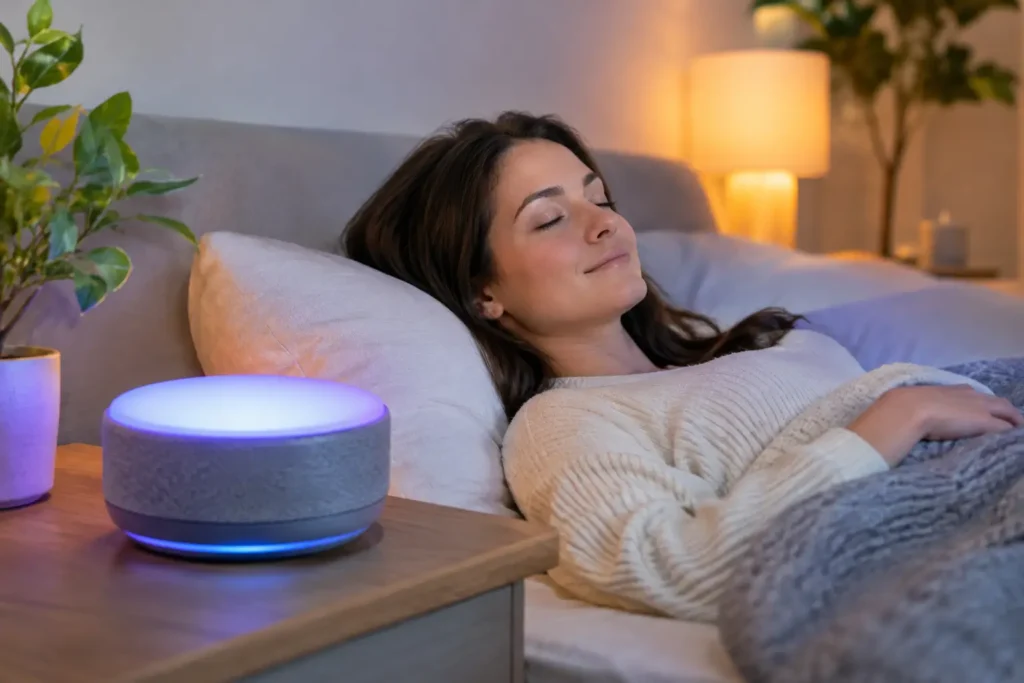
A productive day can leave the body tired while the mind is still running at full speed. That gap is why PEMF sound light relaxation can be so compelling for people building a more deliberate evening routine. Rather than asking you to simply “switch off,” it combines a full-body PEMF session with calming audio and rhythmic light cues designed to help create the conditions for rest.
For high-performing professionals, active adults, and wellness-minded households, this is not about adding another complicated device to the home. It is about creating a repeatable space to decompress, step away from constant stimulation, and support healthier relaxation and sleep habits through a non-invasive wellness practice.
What PEMF Sound Light Relaxation Is Designed to Do
PEMF, or pulsed electromagnetic field technology, uses controlled electromagnetic pulses delivered through a mat or targeted applicator. Within a wellness routine, users often choose gentle programs to support relaxation, stress management, natural recovery, and a more settled pre-sleep state. The experience is generally passive: you lie down, select a program, and allow the session to become protected time away from demands and screens.
Sound-and-light relaxation adds another layer to that experience. Guided audio may include calming tones, meditative soundscapes, or structured relaxation tracks. Light stimulation, typically experienced with closed eyes through specialized eyewear, uses gentle visual rhythms to encourage focused rest. Together, these inputs can make it easier to stay present during a session instead of mentally returning to tomorrow’s calendar.
The value is not that one component replaces the others. The value is the combination. PEMF supports the physical ritual of lying down and pausing; sound gives the mind something calm to follow; and light can provide a visual focal point that helps reduce outside distraction.
Why a Multi-Sensory Session Feels Different
Relaxation is rarely just a matter of intention. If your phone is nearby, your body is uncomfortable, or your thoughts are racing, telling yourself to relax may not accomplish much. A structured, multi-sensory session gives the brain a clear transition point between activity and recovery.
This is particularly useful for people who struggle with unstructured meditation. There is no requirement to clear your mind perfectly or perform a technique correctly. You can simply lie comfortably, breathe naturally, and let the session provide its own framework. Some people use it after demanding workdays; others reserve it for post-exercise downtime or a consistent bedtime ritual.
The result depends on the person, the selected settings, and the habits surrounding the session. A 20-minute session will not compensate for chronic sleep deprivation, excessive caffeine, or a bedroom filled with bright screens. It can, however, become a meaningful part of a broader routine built around consistent sleep timing, movement, hydration, and genuine recovery time.
The Role of Sound
Sound is often the easiest part of the experience to understand. Calming audio can draw attention away from repetitive thoughts and create a more immersive environment. Some users prefer nature-inspired soundscapes or slow ambient music. Others respond better to spoken relaxation guidance because it gives them a simple mental anchor.
The right choice is personal. If voice guidance feels distracting, choose nonverbal audio. If silence leaves too much room for mental chatter, a guided track may be more useful. Start at a comfortable volume, not a volume intended to overpower your surroundings.
The Role of Light
Light sessions are more individual. Gentle pulsing visual patterns can feel deeply relaxing for some users and overly stimulating for others, especially early in the day or when using a faster setting. The practical approach is to begin conservatively, keep your eyes closed, and use shorter sessions until you know how your body responds.
A quality system should make these choices manageable rather than forcing you to guess. Adjustable session options, clear instructions, and one-on-one onboarding matter because relaxation technology is most effective when you actually feel confident using it.
How to Build a PEMF Sound Light Relaxation Routine
Consistency matters more than chasing the longest or most intense session. Begin by deciding when relaxation is most difficult for you. For many people, the best window is 30 to 90 minutes before bed, after work, or following physical activity. Choose one time that you can protect several days each week.
Set up the mat in a quiet, comfortable place where you are unlikely to be interrupted. Dim the room, silence notifications, and avoid treating the session as another task to multitask through. If you are using sound-and-light accessories, prepare them before beginning so there is no need to get up and adjust equipment mid-session.
Start with a gentle relaxation-oriented PEMF program and a modest session length. Many new users do well with 10 to 20 minutes while they learn their personal preferences. Use comfortable audio, select a light setting that feels easy rather than intense, and pay attention to how you feel during and afterward.
Keep a simple record for the first two weeks. Note the time of day, program used, session length, and whether it was easier to settle down afterward. This is not about turning relaxation into a data project. It is about identifying the routine you will actually continue using.
If evening sessions leave you feeling alert rather than calm, adjust one variable at a time. Try quieter audio, a gentler light setting, a shorter duration, or an earlier session. Some people prefer to use PEMF alone at night and reserve sound-and-light sessions for daytime decompression. There is no universal best protocol.
Choosing a System That Supports Real Use
A premium PEMF purchase should be evaluated as more than a list of headline specifications. Frequency range, intensity, waveform options, polarity switching, mat construction, localized applicators, and electrical safety standards all matter. But the best system on paper can still become underused if the owner does not understand how to select programs and build a routine around them.
For buyers considering sound-and-light functionality, ask whether those components are integrated into the overall session experience, how intuitive the controls are, and whether the provider offers personal training after delivery. This is especially relevant with sophisticated systems such as the iMRS Prime, where program flexibility can be a real advantage when matched with knowledgeable guidance.
Support is not a bonus at this price level. It is part of the investment. A credible provider should help you compare configurations, explain wellness-focused use, walk you through safe setup, and remain available after the purchase. That support helps prevent the most common problem with advanced wellness equipment: leaving it in a closet because it feels too complicated.
Safety and Smart Expectations
PEMF sound light relaxation is a wellness practice, not a diagnosis, treatment, cure, or substitute for medical care. Anyone with a medical condition, implanted electronic device, pregnancy, a seizure history, light sensitivity, or concerns about electromagnetic exposure should review the manufacturer’s contraindications and speak with an appropriately qualified healthcare professional before use.
Light stimulation deserves particular care. People with photosensitive epilepsy or other conditions affected by flashing light should not use visual stimulation unless cleared by their clinician. Do not drive, operate machinery, or attempt to push through discomfort during or immediately after a deeply relaxing session.
It is also wise to separate realistic benefits from inflated promises. A home PEMF system may support a calmer routine, recovery-focused downtime, and better consistency around relaxation habits. It does not remove the need to manage stressors, seek professional help when needed, or maintain the fundamentals that influence sleep and wellbeing.
The strongest reason to use this technology is simple: it gives relaxation a place on the calendar. When a well-designed PEMF session, calming sound, and gentle light become a regular cue to slow down, the practice can turn a few quiet minutes into one of the most protected parts of your day.
