
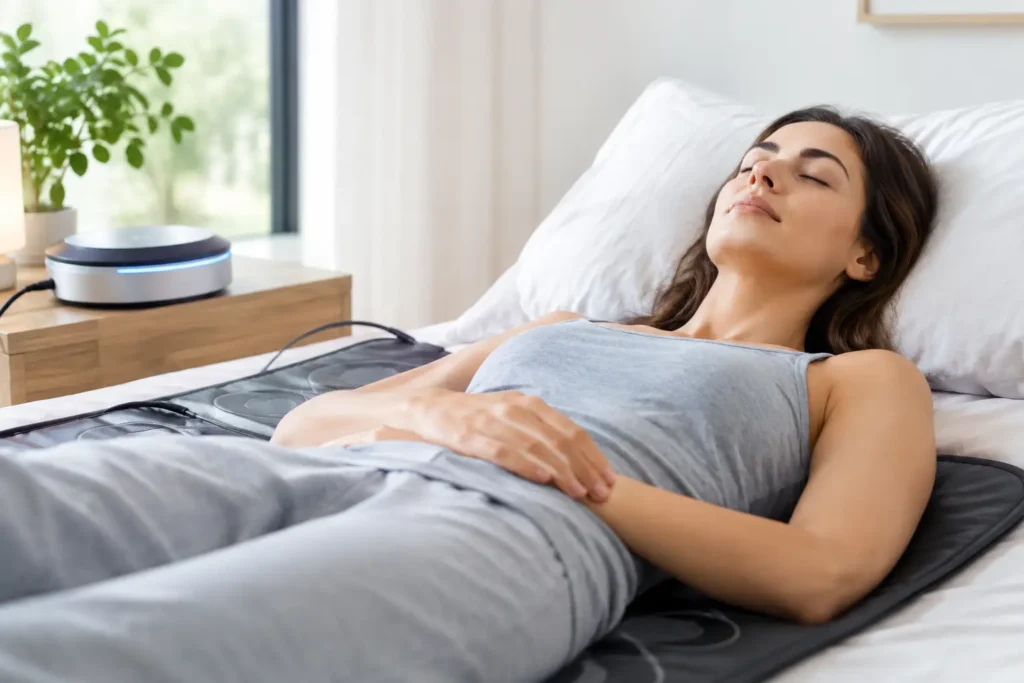
A PEMF system can be sitting in the same room every day and still fail to become part of your wellness routine. The question, Does PEMF require daily use, is really a question about consistency, expectations, and choosing a schedule you can realistically maintain. For most home users, daily sessions can be a practical starting point, but they are not a universal rule or a substitute for listening to your body.
PEMF is a non-invasive wellness technology used by many people as part of routines focused on relaxation, sleep habits, stress management, and natural recovery. The best schedule is rarely the most aggressive one. It is the one that matches your goals, your device settings, and your individual response over time.
Does PEMF Require Daily Use for Wellness?
No, PEMF does not automatically require daily use. Many users choose daily sessions because they want a dependable ritual around winding down, recovering after activity, or supporting a more relaxed evening routine. Others use it several times per week, especially when life is busy or when they are introducing a new system gradually.
Think of PEMF use less like taking a pill on a rigid timetable and more like building a supportive wellness practice. A full-body mat session in the morning may help create a calm, intentional start to the day. An evening session may become part of a sleep-preparation ritual. A localized applicator might be used after demanding training or long periods at a desk. Those are different goals, and they can call for different patterns of use.
Daily use is often reasonable when sessions are comfortable and the device instructions support that frequency. Yet more use is not always better. Longer sessions, higher intensity, and multiple programs do not automatically produce a better wellness experience. A premium PEMF system gives you options. Good guidance helps you use those options with purpose rather than simply turning every setting up.
Consistency Matters More Than an Arbitrary Schedule
If your objective is general relaxation or better sleep habits, a consistent schedule is usually more valuable than an occasional marathon session. A 20- to 30-minute session used regularly can be easier to evaluate than irregular use that changes every week.
Start by identifying the role PEMF will play in your day. If you are a busy professional, the most sustainable time may be before bed, not at 6:00 a.m. If you are active, you may prefer a session after training or on recovery days. If you operate a wellness practice, you may build sessions into your client flow while following the device manufacturer’s instructions and your applicable professional standards.
This practical approach also makes it easier to notice patterns. Keep a brief record for two or three weeks. Note the program used, session length, time of day, and how you felt before and afterward. You are not looking for a dramatic overnight result. You are looking for a routine that feels easy to repeat and supports the wellness outcome you care about.
A Sensible Starting Frequency
For a new PEMF user, beginning with one short, comfortable session per day or several sessions per week is often a sensible approach. Follow the instructions for your specific system, especially where program duration, intensity, and applicator placement are concerned.
After an initial adjustment period, some users settle into daily full-body mat sessions. Others use the mat a few times per week and reserve a localized applicator for targeted wellness routines. There is no prize for using a device more often than needed. The right routine should feel supportive, not demanding.
What Changes the Ideal PEMF Schedule?
Your preferred frequency can change based on several real-world factors. Your goals matter first. Someone using PEMF as part of a calming evening routine may value lower-intensity, regular sessions. An active adult may use a recovery-focused program more frequently around heavier training periods, then scale back during lighter weeks.
The system itself matters too. PEMF devices vary widely in frequency options, intensity, waveform design, program structure, applicators, and added features such as far infrared, sound, or light-based relaxation components. A sophisticated system with guided programs can make it easier to match the session to the moment. It also means users should avoid copying a routine from a friend who owns a different device.
Your response matters most. If a session leaves you feeling comfortable, relaxed, and ready to continue your day or evening, that is useful feedback. If you feel overstimulated, unusually tired, or simply do not enjoy a particular setting, reduce the intensity, shorten the session, change the time of day, or take a break. Personalization is a strength of premium home wellness technology, but it requires attention.
Build a Routine You Will Actually Keep
The best PEMF routine is usually attached to an existing habit. Put your mat where it is easy to use, not where it has to be unpacked and stored after every session. Schedule it alongside reading, breathwork, stretching, a post-workout cooldown, or your normal bedtime routine.
Avoid making your first week overly complicated. Choose one program, one time of day, and a modest session length. Once that habit feels natural, you can explore other settings with a clearer understanding of what works for you. This is particularly valuable with advanced systems that offer broad frequency ranges, intensity adjustments, polarity switching, and multiple applicator choices.
A well-designed routine also leaves room for flexibility. Missing a day does not erase your progress or mean PEMF is not working for you. Travel, family obligations, and changing schedules happen. Resume your normal pattern when you can instead of trying to compensate with excessively long sessions.
When Daily Use May Not Be the Best Choice
Daily sessions may not fit every user or every phase of life. If you are brand new to PEMF, beginning more slowly can help you become familiar with how each program feels. If you are using a strong setting or a localized applicator, you may prefer alternating days until you establish a comfortable rhythm.
Daily use can also become counterproductive if it creates pressure. A wellness tool should make your routine more manageable, not become another item on an impossible checklist. Three intentional sessions per week may be more valuable than seven rushed sessions that you resent.
And while PEMF systems are designed for wellness use, they are not medical devices for diagnosing, treating, curing, or preventing disease unless specifically cleared and labeled for that purpose. People with implanted electronic devices, those who are pregnant, and anyone with a medical condition or concern should review the manufacturer’s safety information and speak with a qualified healthcare professional before use.
Why Training Makes a Major Difference
A high-end PEMF purchase should come with more than a mat and a manual. The technology has meaningful variables, from session timing and intensity to applicator selection and built-in program choices. Personal training can shorten the learning curve and help prevent the common mistake of treating every setting as if it serves the same purpose.
At iMRS2000.com, individualized education helps owners turn a sophisticated wellness system into a routine they understand and use with confidence. That includes selecting appropriate programs, learning the controls, and adjusting your approach as your lifestyle and wellness priorities change.
The right question is not whether you can use PEMF every day. It is whether you have a clear, comfortable plan for using it consistently. Start conservatively, follow your system guidance, and let a routine that fits your real life earn its place in your day.
